DALL-E Sunsets Today: What Nano Banana 2 and the New Image Model Crop Mean For Creators
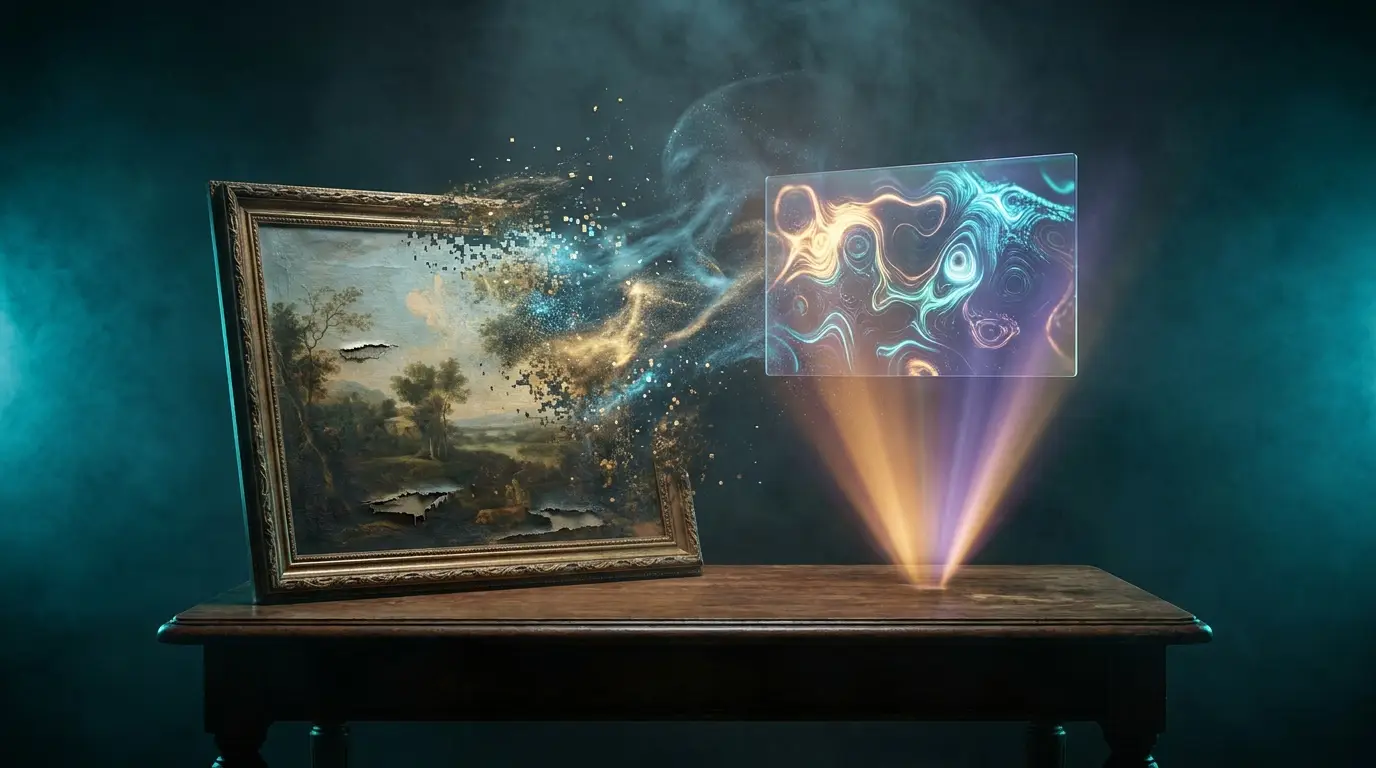
DALL-E Sunsets Today: What Nano Banana 2 and the New Image Model Crop Mean For Creators
Today, May 12, 2026, is the day the originals retire. According to OpenAI's deprecation schedule, DALL-E 2 and DALL-E 3 are being sunset for API access — wrapping up the lineage that, back in 2022, made "type a sentence, get a picture" feel like genuine magic. The replacement landed in late April: GPT Image 2 (officially gpt-image-2) with native 2K resolution and reasoning built in. And it's not arriving in a quiet room. Google's Nano Banana 2 is already on shelves, the Seedream lineage has its v5 Lite version out, and image AI is — per TechCrunch's reporting last week — doing something quietly seismic.
We wanted to mark the moment, because it's bigger than just a model retirement. The DALL-E sunset closes out the first generation of AI image generation tools. The crop that replaces it is faster, sharper, smarter — and finally good enough that picking the wrong one for your project costs you real time. So let's talk about who the new winners are, where they shine, and what to do today now that DALL-E is gone.
The Numbers That Made Today Inevitable
Here's the data point that should have your attention. According to TechCrunch's May 4 writeup of recent app-store telemetry, releases focused on image AI models are driving roughly 6.5x more downloads than mobile AI updates focused on language or reasoning. Image generation, not chat, is what's moving the needle in 2026.
That's why OpenAI moved fast to replace DALL-E. It's why Google's been launching Nano Banana variants quarterly. It's why ByteDance keeps iterating Seedream. The whole industry just realized that visual AI is the actual consumer product. Text is the developer product.
The retirement of DALL-E 2 and DALL-E 3 wasn't a sentimental farewell. It was a margin call.
What's Replacing DALL-E — The Short Tour
If you're a creator opening your usual image tool this morning and seeing a deprecation notice, here's the field of contenders, organized by what each one is actually best at right now.
gpt-image-2 — The Reasoner
OpenAI's official replacement, launched April 21, 2026. The headline features:
- Native 2K output without an upscaler pass.
- Up to 8 coherent images from a single prompt, with character and object continuity across frames.
- Native reasoning — meaning it can answer "make this image but fix the missing fingers and align the perspective" without you re-prompting.
This is the right pick when your project needs a sequence of related images — a storyboard, a product line-up, a set of social variants where the same person appears across each shot. The continuity story is real, and it's the headline feature DALL-E never had.
nano_banana_2 — The Quality King
Google DeepMind's latest, designed to combine Nano Banana Pro's fidelity with Gemini Flash's speed. Highlights:
- Real-time web knowledge baked in via Google Search, which means it renders specific named subjects (logos aside) much more accurately than competitors.
- Legible text generation, including translation and localization — actually viable for marketing mockups now.
- Infographic and data-viz support that doesn't melt into pseudo-typography.
nano_banana_2 is the choice when you need top quality, 4K, and reliable text. It's our default on PromptVerse for general image work, and we've been hammering on it for months. The hit rate is the best we've seen for one-shot photographic prompts.
seedream_v5_lite — The Speed Pick
ByteDance's lightweight image model, the lite sibling of Seedream v4.5. Fast, cheap, surprisingly good at stylized illustration and Asian aesthetics in particular. Not the right pick for hyper-realistic photography, but absolutely the right pick when you need throughput — concept exploration, mood-board passes, twenty variants before lunch.
soul_2 and Friends — The Character Specialists
Higgsfield's Soul family stays the answer for portraits, fashion, UGC, and editorial work. If your image has a person as the subject and you care about consistency across shots, soul_2 (with reference images) or soul_cast (text-only character creation) still beats the generalist models. The new image AI models are catching up, but specialist models matter for specialist jobs.
flux_2 — The Cautious Mention
We'll be honest. flux_2 has been unreliable in our testing — failure rate near 50% on complex prompts. We mention it because the field would be incomplete without it, but it's not where we'd start a new project today.
Pro tip: When you swap from DALL-E to a new image model, do not port your prompts unchanged. Each of these models has different prompt-weighting behavior. Words at the front of the prompt usually carry more weight; details buried at the end often get dropped. Rewrite with the most important attribute first.
Practical Migration: Swap Strategy For Today
If you've been running DALL-E in production, here's what we'd actually do today:
- Audit which DALL-E calls were doing photo-real work vs. illustrated work. They want different replacements.
- For photo-real, default to
nano_banana_2. The render quality, world knowledge, and text legibility are best-in-class for general use. - For multi-frame sequences and storyboards, send those calls to
gpt-image-2. The continuity feature is unique enough that this is where the API gets its own bucket in your code. - For volume and ideation passes, send those calls to
seedream_v5_lite. Cheap exploration matters again, and DALL-E 2 was historically the cheap-exploration option. - For anything with a recurring character, route to
soul_2with reference images. Don't try to hammer character consistency out of a generalist model when a specialist exists. - Add a fallback chain. If your primary model fails, fall through to a second. The new image AI models are better than DALL-E ever was, but they're also still individually unreliable on edge cases. Belt and suspenders.
Why The DALL-E Sunset Hurts More Than Expected
For a lot of creators, DALL-E 3 was the consistency anchor. You knew its quirks. You knew which prompts were going to land and which were going to come back with two heads and a melted hand. Switching to a stronger model is great, but it means relearning failure modes. Better is not the same as familiar.
We'd budget at least a week of recalibration for any production workflow that touches image generation. Run your top 20 historic prompts through each candidate replacement and score the outputs side by side. You'll be shocked how often the "weaker" model on benchmarks wins for your specific style.
The Bigger Picture: Image AI Is The Real Consumer AI
Stepping back, the DALL-E sunset reads as a signpost more than an event. We're now firmly in the era where AI image generation 2026 outpaces text-AI as the consumer-facing draw. That has knock-on effects worth watching:
- Video is next. What image AI did to mobile app installs in 2024-2025, video AI will do in 2026-2027. The work creators do this year to build prompt fluency in image will pay compound interest when video catches up.
- Specialists will keep beating generalists. Soul models for people. Seedance for cinematic motion. Nano Banana for editorial photography. The "one model for everything" dream looks further away today than it did a year ago.
- Prompt portability is a real skill again. With DALL-E gone, nobody has a stable image-prompt corpus from 2023. We're all relearning at the same time. The creators who write down what works will pull ahead.
The Bottom Line
DALL-E 2 and DALL-E 3 retiring today doesn't mark a decline in AI image generation — it marks a step up. The replacement crop, anchored by gpt-image-2 and nano_banana_2, is genuinely better at the things creators care about: quality, continuity, legible text, world knowledge, throughput. The work for us is to migrate our libraries, recalibrate our prompts, and stop being loyal to a model just because it was first.
Pour one out for DALL-E. Then open a fresh tab and start writing prompts for what comes next.
Sources: OpenAI deprecation schedule, Google's Nano Banana 2 announcement, TechCrunch's May 4, 2026 reporting on AI image apps. Model availability and pricing are subject to change.